Understanding the Benefits of Coloring for Stress Relief
In our fast-paced world, stress has become an all-too-common companion. While traditional forms of stress management, such as exercise and mindfulness, are well-documented, an often-overlooked method has emerged: coloring. Engaging in coloring activities can serve as a powerful tool for stress relief, fostering not just relaxation but also enhancing mental well-being. When exploring options, Coloring for stress relief provides comprehensive insights into how this simple activity can transform lives.
The Psychological Effects of Coloring Activities
Coloring engages the mind in a way that encourages focus and creativity. This activity promotes a flow state, where individuals can immerse themselves fully in the moment, much like what is experienced during meditation. Studies suggest that coloring can reduce activity in the amygdala, the brain's fear center, thus decreasing anxiety levels. The repetitive motion of coloring and the concentration required to stay within the lines can quiet the mind, reducing the constant chatter that often contributes to stress.
How Coloring Can Alleviate Anxiety and Stress
Coloring provides a creative outlet that many individuals find beneficial for alleviating anxiety. The act of selecting colors and making choices in a coloring book can instill a sense of control, which may be particularly comforting for those dealing with anxiety. Furthermore, the tactile experience of coloring—feeling the texture of paper and the smooth flow of crayons or markers—adds a sensory element that promotes relaxation and helps ground the individual in the present moment.
Art Therapy: The Science Behind Coloring for Mental Health
Art therapy encompasses a variety of creative therapies, one of which is coloring. Research has shown that art therapy can be as effective as traditional talk therapies for treating anxiety and depression. Through coloring, individuals express emotions that they may struggle to verbalize, facilitating emotional release and self-discovery. The structured yet creative nature of coloring provides a safe space for individuals to explore their feelings, making it a valuable component of mental health treatment.
Coloring Techniques to Maximize Stress Relief
While any coloring activity can be beneficial, certain techniques can enhance the stress-relief effects. Understanding which tools and styles to use can elevate the experience and lead to greater emotional and mental benefits.
Choosing the Right Tools: Pencils, Markers, and Paper
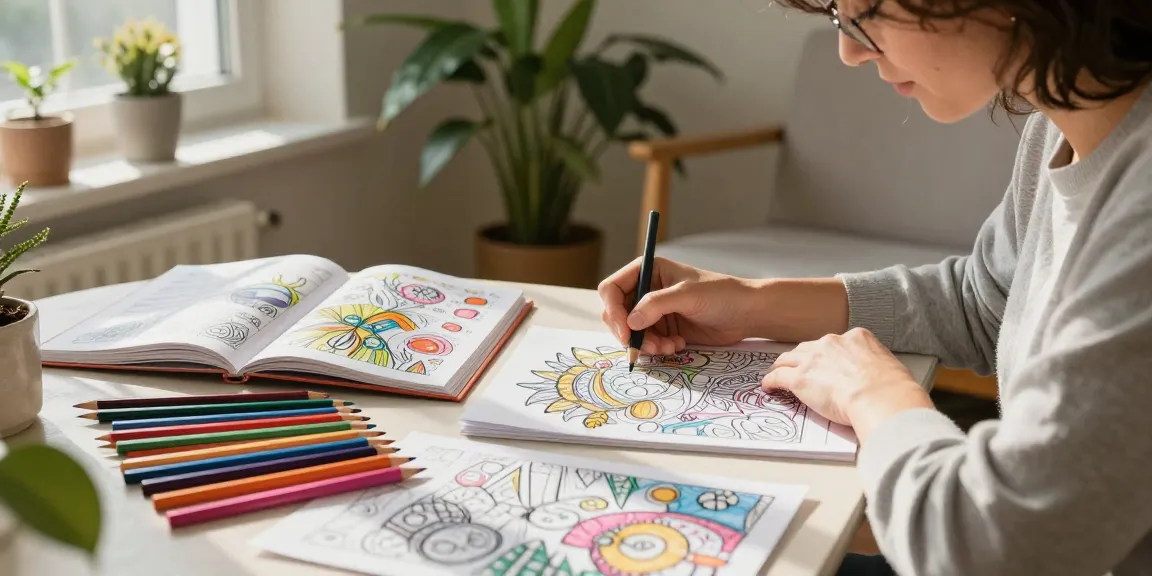
Selecting the right materials can significantly impact the enjoyment of coloring. Colored pencils offer precision and control, while markers produce bold colors and allow for faster coloring. High-quality paper can enhance the coloring experience, preventing bleed-through and providing a smoother surface. Experimenting with different tools helps individuals discover what resonates most with their preferences and enhances relaxation.
Different Coloring Styles and Their Benefits
- Mandala Coloring: Often circular and symmetrical, mandalas promote a sense of balance and harmony.
- Abstract Coloring: Encourages free expression without the confines of realism, fostering creativity.
- Themed Coloring Books: Options that explore nature, animals, or intricate patterns can provide specific emotional benefits, such as tranquility.
Incorporating Mindfulness into Your Coloring Routine
Merging mindfulness practices with coloring enhances the therapeutic benefits. Encouraging deep breathing while coloring or focusing on the sensations of color melding on paper can deepen the relaxation experience. Setting aside time to color without distractions allows for a meditative practice that calms the mind and centers emotions.
Real-Life Case Studies: Success Stories of Stress Relief
Numerous individuals and groups have experienced significant stress relief through coloring, showcasing its potential as a therapeutic tool.
Personal Experiences: How Coloring Changed Lives
Many reports highlight individuals who turned to coloring during difficult times, such as after a loss or during transitions. One woman shared that she credits coloring with helping her manage anxiety during her mother’s illness. The act of coloring allowed her to decompress at the end of the day and provided a sense of accomplishment through completed pages.
Group Coloring Events and Community Therapy
Group coloring sessions have gained popularity in community settings, fostering social connections while promoting relaxation. These events provide a platform for individuals to come together, share experiences, and alleviate stress in a supportive environment. The communal aspect of group coloring can significantly enhance feelings of belonging and support.
Feedback from Mental Health Professionals on Coloring Activities
Mental health professionals have increasingly recognized the value of coloring in therapeutic settings. Many therapists incorporate coloring into their sessions as a way to break down barriers and facilitate communication. Feedback indicates that clients often feel more comfortable expressing their emotions when engaged in a creative activity like coloring, thus making it a valuable tool in therapy.
Practical Tips for Integrating Coloring into Daily Life
Incorporating coloring into your daily routine can significantly improve stress management and enhance overall well-being. Here are practical tips to help you get started.
Setting Up a Relaxing Coloring Space at Home
Creating a dedicated space for coloring can enhance the experience. Choose a quiet, comfortable location with good lighting. Surround yourself with inspiring materials, such as various coloring books, a range of coloring tools, and calming decor. A well-organized space can act as a sanctuary, making it easier to unwind.
Creating a Daily Coloring Habit for Stress Management
Establishing a regular coloring practice can yield substantial mental health benefits. Set aside time each day, even if it’s only for 10-15 minutes, to engage in coloring. This consistent practice helps establish a routine that encourages relaxation and stress relief, making it a staple in your self-care regimen.
Combining Coloring with Other Relaxation Techniques
Coloring can be seamlessly integrated with other relaxation methods. For example, listening to calming music or guided meditations while coloring can enhance the stress-relief benefits. Alternatively, you can incorporate stretching or deep-breathing exercises before or after coloring to promote a full sense of relaxation.
Future Trends in Coloring and Mental Health by 2026
As we look ahead, the intersection of coloring and mental health is poised for innovation and growth. Here are some potential trends expected by 2026.
Innovations in Coloring Books and Their Impact on Users
The future will likely see a rise in interactive coloring books that integrate technology, featuring augmented reality elements that bring pictures to life. This innovation can deepen engagement and provide a unique, immersive experience that enhances therapeutic effects.
The Role of Technology in Enhancing Coloring Experiences
With the growth of digital art, online platforms may emerge that facilitate virtual group coloring sessions, allowing individuals to connect with others globally. These platforms can offer guided coloring exercises that incorporate mental health principles, further enriching the experience.
Predictions for Coloring Therapy in Professional Mental Health Settings
As more therapists recognize the benefits of creative therapies, coloring may become a staple in various therapeutic settings. Its simplicity and accessibility make it an ideal tool for engaging clients of all ages and backgrounds, ultimately contributing to more comprehensive mental health treatment plans.
How can coloring improve mental health?
Coloring improves mental health by providing a creative escape, reducing anxiety and stress levels, and fostering mindfulness. Its repetitive and focused nature can help calm the mind, allowing individuals to engage in a flow state that promotes relaxation.
What types of coloring techniques are most effective?
Effective coloring techniques may include mandala coloring, abstract styles, and themed books that cater to individual preferences. Each technique offers unique benefits that can enhance the relaxation and therapeutic experience.
Are there specific coloring books recommended for stress relief?
Coloring books designed specifically for stress relief often feature intricate designs, patterns, or themes that promote calming feelings. Popular choices include nature scenes, mandalas, and abstract art books.
Can coloring be used as an alternative therapy for anxiety?
Yes, coloring can serve as a complementary therapy for anxiety by providing a non-verbal outlet for expression and relaxation, making it a beneficial tool alongside traditional therapies.
What future trends should we expect in coloring for mental health?
In the coming years, we can anticipate technological advancements in coloring, interactive experiences, and a growing acceptance of coloring as a therapeutic tool in professional mental health settings, enhancing its role in stress relief and emotional well-being.