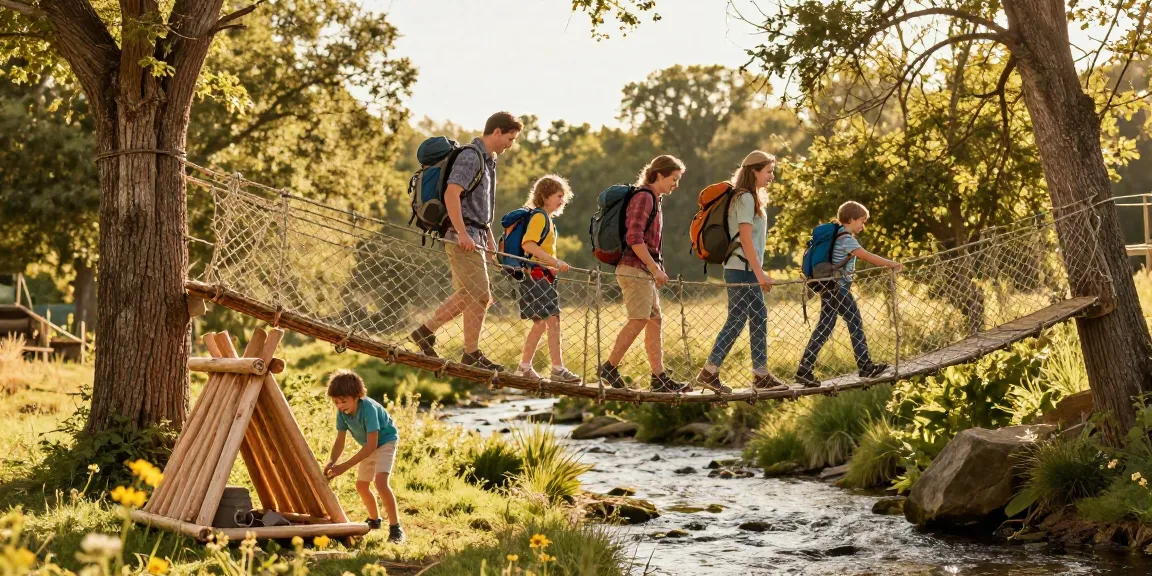
Understanding Rope Bridge Design Fundamentals
Rope bridge design is an essential consideration for various outdoor activities, from adventurous hikes to tranquil crossings in parks and gardens. This type of bridge, primarily constructed of rope and supported by posts, offers a unique blend of functionality and aesthetic appeal. Its lightweight structure and minimalist design make it an attractive option for spanning gaps between trees or over water bodies. As we delve deeper into the fundamentals of rope bridge design, it’s essential to explore the various aspects that influence both safety and aesthetics. When exploring options, Rope Bridge design provides comprehensive insights into creating a structure that is both functional and harmonious with the surrounding environment.
What is Rope Bridge Design?
Rope bridge design encompasses the planning and execution of suspended bridges that use ropes and supports to create walkable paths across gaps. Unlike traditional bridges that rely on heavy materials, rope bridges leverage tension and weight distribution to remain stable. This type of design is prevalent in areas where the environment allows for minimal ground disturbance, making it an ideal choice for treehouses, parks, and natural landscapes.
Key Materials Used in Rope Bridge Construction
Building a rope bridge requires specific materials that provide strength, flexibility, and durability. Here are some of the key components:
- Rope: High-tensile synthetic ropes, such as nylon or polyester, are commonly used due to their resistance to wear and environmental factors.
- Posts: Wooden or metal posts serve as the primary support structures for the bridge. They should be anchored firmly into the ground to withstand tension.
- Decking: Non-slip wooden planks or composite materials provide a safe walking surface while allowing for drainage.
- Fasteners: Galvanised steel bolts, carabiners, and pulleys are essential for securing components and enhancing structural integrity.
Types of Rope Bridges and Their Applications
Rope bridges come in various designs, each suited to different applications and environments:
- Suspension Rope Bridges: These bridges are supported by cables anchored on either side and are ideal for spanning wide gaps.
- Fixed-Beam Rope Bridges: This type utilises beams and can be more stable for pedestrian use, making it suitable for parks and recreation areas.
- Log Rope Bridges: These bridges incorporate logs as the primary structure and are often used in natural settings or adventure parks.
Planning Your Rope Bridge Project
Planning is a crucial phase in any rope bridge project. It ensures that the design prioritises safety, functionality, and aesthetics while considering environmental impacts and engineering standards.
Designing with Safety in Mind
Safety must be the foremost consideration when designing a rope bridge. This involves assessing the load capacity, selecting high-quality materials, and ensuring proper installation methods. Regular safety audits and adherence to local regulations are also essential.
Essential Tools and Equipment for Building
Having the right tools and equipment is vital for a successful build. Key tools include:
- Power drills for anchoring posts.
- Wrenches and pliers for securing fasteners.
- Measuring tapes and levels for precision.
- Safety gear, including harnesses and helmets, to protect builders during construction.
Creating Accurate Blueprints and Specs
Blueprints act as the roadmap for your project. Detailing dimensions, materials, and construction methods helps ensure everyone involved understands the design goals and safety measures. Consulting with an engineer can enhance the reliability of your plans.
Building Your Rope Bridge: Step-by-Step Guide
Once planning is complete, it's time to start building. This section outlines a straightforward, step-by-step guide to constructing your rope bridge safely.
Site Preparation and Groundwork
The initial step involves selecting a suitable location and preparing the site. This includes clearing any vegetation, ensuring stable ground for posts, and marking the bridge's path. Consideration of environmental factors, such as potential flooding or erosion, is also crucial.
Constructing the Support Structure
Start by installing the primary support posts at either end of the bridge. Ensure they’re deeply anchored and upright. The height of the posts should enable a comfortable crossing without obstructing the natural landscape.
Installing the Rope Bridge Framework
Once the supports are in place, install the main ropes that will form the bridge's framework. These should be tightly secured and span the distance between the posts. Add decking and any additional safety features, such as side rails, for added security during use.
Maintenance and Safety Checks for Rope Bridges
Maintaining your rope bridge is critical for its longevity and safety. Regular inspections and proactive maintenance help identify potential issues before they become serious.
Regular Inspection Protocols
Conduct routine inspections to check the integrity of the ropes, posts, and decking. Look for wear signs, fraying ropes, or loose fasteners. An annual professional evaluation may also be beneficial.
Addressing Common Wear and Tear Issues
Common issues such as rope deterioration, wood rot, or rust on metal components can compromise safety. Repair or replace worn components promptly to maintain structural integrity.
Enhancing Durability with Upgrades
Investing in high-quality materials and treatments can enhance the durability of your rope bridge. Consider weather-resistant coatings for wooden components and regularly inspect synthetic ropes for UV damage.
Future Trends in Rope Bridge Design for 2026 and Beyond
The future of rope bridge design will likely see the integration of innovative materials and techniques that enhance safety and sustainability.
Innovative Materials and Techniques
Emerging materials, such as high-strength fibres and composites, are making rope bridges safer and more durable. Advanced engineering techniques, including computer simulations, allow for more accurate load assessments during the design phase.
Eco-Friendly Design Practices
With an increasing focus on sustainability, designers are exploring eco-friendly practices. This includes using recycled materials and minimising the environmental footprint of bridge installation.
Emerging Applications in Adventure Parks and Tourism
As outdoor activities grow in popularity, rope bridges are becoming more prominent in adventure parks and tourist destinations. Their unique appeal makes them a favourite among visitors seeking novel experiences in nature.
How do I build a rope bridge?
Building a rope bridge involves careful planning, selecting appropriate materials, and following safety guidelines throughout the construction process.
What are the different types of rope bridges?
Different types of rope bridges include suspension, fixed-beam, and log rope bridges, each suited to specific applications and environments.
How much does a rope bridge cost?
The cost of building a rope bridge varies widely based on materials, size, and location, with simplistic designs being more economical compared to elaborate structures.
What is the simplest bridge design?
The simplest bridge design is often a fixed-beam bridge, which utilises beams supported directly by the ground or other structures.
How to maintain a rope bridge effectively?
Effective maintenance involves regular inspections, prompt repairs of any damage, and upgrades to enhance durability against environmental wear and tear.