
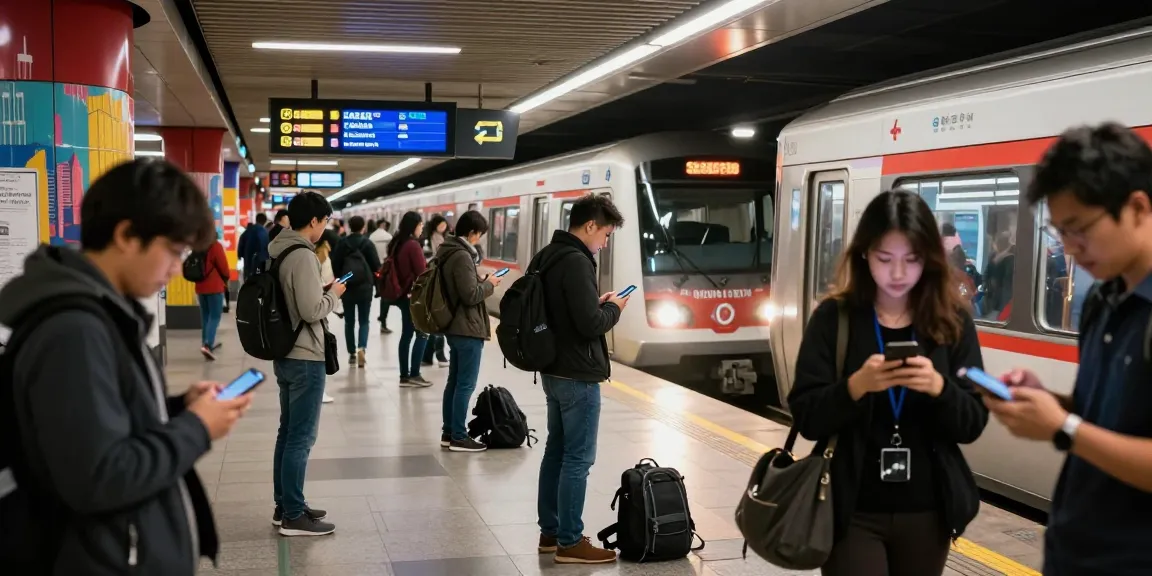
Understanding Subway Service Alerts
In the fast-paced world of urban transportation, subway service alerts play a crucial role in maximizing the efficiency and experience of daily commuters. These notifications, which provide real-time information on subway operations, are essential for minimizing delays and enhancing safety. With cities expanding their transit systems to accommodate growing populations, staying informed about service disruptions has never been more important. For many riders, having access to timely and accurate subway service alerts can make a significant difference in their daily commute.
What Are Subway Service Alerts?
Subway service alerts refer to real-time notifications issued by transit agencies that inform passengers about delays, service changes, or disruptions in subway operations. These alerts can be communicated through various channels, including mobile apps, websites, and electronic boards at stations. They typically include details such as the affected line, the nature of the disruption, and estimated recovery times, allowing commuters to make informed decisions about their travel routes.
Importance of Real-Time Tracking
Real-time tracking is vital in today’s urban landscape, where commuters often rely on public transportation to navigate their cities. The ability to access live data about subway operations empowers users to adapt their travel plans proactively. For instance, if a commuter is alerted to a significant delay, they can choose an alternative route or mode of transportation, reducing their overall travel time and stress levels.
How Subway Alerts Enhance Commuting Experience
Subway alerts significantly enhance the commuting experience by providing transparency and reliability. Passengers who receive timely updates can plan their journeys more effectively, avoiding the frustration of unexpected delays. This level of predictability contributes to a more positive perception of public transit, encouraging more residents to utilize subway systems instead of personal vehicles.
Technology Behind Subway Service Alerts
How GTFS-Realtime Works
The General Transit Feed Specification – Realtime (GTFS-Realtime) is a standard used by transit agencies to publish dynamic data regarding the status of their services. By utilizing GTFS-Realtime, agencies can deliver information such as vehicle locations and service alerts directly to various platforms. This technology underpins the real-time tracking capabilities that commuters rely on, ensuring that data remains accurate and timely.
Real-Time Data Collection Processes
Transit agencies collect real-time data through a variety of methods, including GPS tracking and sensor networks installed on subway vehicles. This data is then transmitted back to central systems every few seconds, allowing agencies to monitor service status continuously. The GTFS-Realtime feeds are updated frequently, ensuring that the information presented to commuters is both current and reflective of the actual conditions on the ground.
Integration of Service Alerts into Mobile Apps
Mobile applications have become the primary interface for many commuters seeking real-time transit information. These apps, powered by GTFS-Realtime data, allow users to receive instant notifications about service alerts tailored to their preferred routes and stations. Many applications offer customizable alert settings, enabling users to filter notifications based on their travel preferences.
Benefits of Utilizing Subway Service Alerts
Improving Commute Efficiency
By utilizing subway service alerts, commuters can streamline their journeys and eliminate unnecessary waiting time. When alerted to delays or service changes, passengers can adjust their routes in real time, leading to a more efficient use of their time and better overall satisfaction with public transit.
Reducing Waiting Times and Frustrations
Waiting times are often the bane of commuting. Subway service alerts help mitigate frustration by informing passengers of unexpected changes. For example, if a train is running late, riders can decide whether to wait for that train or explore alternative travel methods, such as taking a bus or catching an earlier train from another line.
Enhancing Safety and Awareness
Staying informed about service disruptions can also enhance passenger safety. Alerts regarding emergencies or other safety-related incidents enable commuters to make decisions that prioritize their wellbeing. Awareness of service changes helps maintain order at crowded stations and keeps the transit experience safe and pleasant for everyone.
Best Practices for Commuters
Effective Use of Mobile Apps for Alerts
Commuters can greatly benefit from downloading reliable transit apps that provide real-time subway alerts. It is advisable to choose an app that integrates GTFS-Realtime data, ensuring the information is accurate and up-to-date. Familiarizing oneself with the app’s features, such as customizing alert preferences, can further enhance the commuting experience.
Tips for Navigating Service Disruptions
When disruptions occur, having a contingency plan can save valuable time and effort. Commuters should familiarize themselves with alternative routes and nearby transit options. In addition, it is wise to check for service alerts before heading to the station to avoid unnecessary delays.
Staying Informed with Notifications
Enabling push notifications for transit apps can keep commuters informed of real-time updates. Many apps allow users to receive alerts based on their daily routes, ensuring that they never miss important news about subway service changes. This proactive approach can significantly improve overall commuting experiences.
The Future of Subway Service Alerts
Emerging Technologies in Real-Time Tracking
The future of subway service alerts is set to be shaped by advancements in technology, including mobile AI, machine learning, and IoT integrations. These innovations promise more accurate predictive analytics, providing insights into service patterns and potential disruptions before they occur. Enhanced data visualization techniques will further improve how information is presented to commuters.
Predictions for Subway Services in 2026
By 2026, we can anticipate a fully integrated transit experience where real-time alerts are seamlessly combined with other urban mobility solutions. As cities invest in smart transportation systems, commuters will benefit from synchronized transit operations that reduce congestion and delays.
How Cities Will Adapt to Changing Transit Needs
Cities are increasingly recognizing the need to adapt their transit infrastructures to meet the demands of modern urbanization. By prioritizing real-time communication and investing in technology, municipalities can create a more responsive public transit system. Partnerships with tech companies will help transit agencies implement solutions that enhance passenger flow and service reliability.
What is the role of subway service alerts in public transportation?
Subway service alerts play a pivotal role in public transportation by promoting efficiency and transparency. These alerts inform passengers of disruptions, enhancing the overall commuting experience and encouraging the use of public transit systems.
How do real-time alerts improve urban transit systems?
Real-time alerts improve urban transit systems by providing timely information that allows commuters to adjust their travel plans. This responsiveness not only enhances user satisfaction but also optimizes transit operations by decreasing congestion and improving on-time performance.
What are common issues faced with subway service alerts?
Some common issues with subway service alerts include inconsistent data accuracy, delays in notifications, and limited access for certain populations. Riders may also encounter problems if alerts are not clearly communicated or if technical issues hinder the delivery of real-time information.
How can I enhance my commuting experience using alerts?
To enhance your commuting experience, utilize mobile apps that provide reliable subway service alerts. Customize your alert preferences to receive notifications tailored to your travel patterns, and stay informed of alternative routes during service disruptions.
What innovations are shaping the future of subway systems?
Innovations such as autonomous trains, advanced data analytics, and integrated mobility solutions are shaping the future of subway systems. These technologies aim to enhance efficiency, safety, and user experience, ultimately transforming urban transit as we know it.
