The Origins of Kecak Dance
With its rhythmic chanting and captivating movements, Kecak dance is an iconic performance art that reflects the rich cultural tapestry of Bali. Originating in the 1930s, Kecak combines elements of ritual, theater, and music, making it a profound expression of Balinese spirituality and community. Its unique storytelling, often derived from the Ramayana, offers a fascinating window into the history and culture of the island.
For those looking to dive deeper into this enchanting art form, resources like kecak4d provide comprehensive insights into various performances and cultural aspects surrounding Kecak dance.
Historical Background of Kecak
The roots of Kecak can be traced back to ancient Balinese rituals that involved chanting and trance-inducing dances. The contemporary form of Kecak was developed in the 1930s, largely influenced by German painter Walter Spies. He collaborated with local artists to create a theatrical performance that would attract tourists, thus giving rise to the Kecak we see today.
Significance in Balinese Culture
Kecak dances are not merely performances; they are a vital part of Balinese culture and spirituality. Traditionally, Kecak was performed during temple ceremonies, symbolizing the triumph of good over evil. The collective chanting of “cak” by a large group of men creates a mesmerizing auditory experience, enhancing the spiritual ambiance of the ritual.
Evolution Through the Years
Over the decades, Kecak has undergone significant transformations. While initially rooted in spiritual practices, it has evolved into a cultural showcase aimed at tourists. This shift has prompted the incorporation of modern elements while still respecting traditional narratives and forms.
Understanding Kecak’s Unique Elements
The allure of Kecak dance lies in its distinctive components, ranging from costumes to choreography. Each element plays a critical role in conveying the stories and emotions embedded within the performance.
Costume and Symbolism
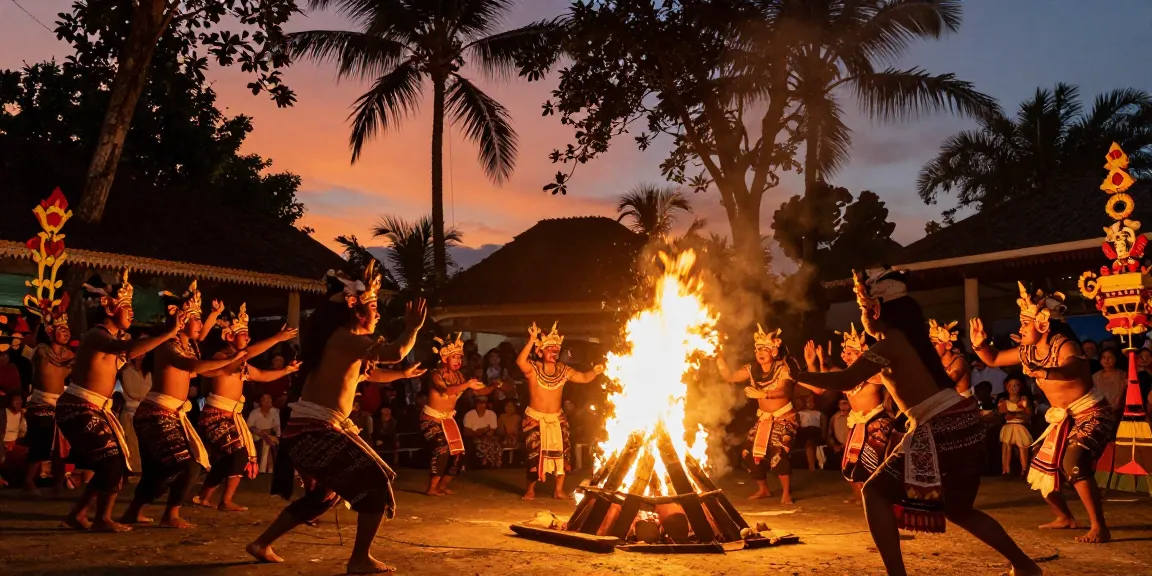
The costumes worn in Kecak performances are vibrant and symbolic. Dancers adorn themselves in traditional Balinese attire, often featuring intricate patterns and bright colors that signify various characters, from heroic princes to demonic figures. Each costume carries cultural significance, representing not just individuality but collective identity within the community.
Chanting and Musical Accompaniment
Unlike many traditional dances, Kecak is not accompanied by instruments but rather by the human voice. The rhythmic “cak” chant creates a unique soundscape that immerses the audience in the story. This vocal performance is fundamental, as it not only replaces musical instruments but also adds to the narrative’s intensity.
Dance Forms and Movements
Kecak incorporates a variety of dance movements, which are stylized and intentional. The dance often includes dramatic poses and gestures that convey emotions and advance the storyline. The interplay between movement and chant is crucial, as both elements must harmonize to evoke the performance’s full impact.
Where to Experience Kecak Dance
Bali offers numerous locations where visitors can witness Kecak dance performances, each providing a unique experience. From temple settings to amphitheaters, the ambiance greatly enhances the storytelling.
Top Locations in Bali
Key venues for experiencing Kecak dance include the Uluwatu Temple, located on a cliff overlooking the ocean, and the Batubulan Village, known for its regular performances. These sites emphasize the ritualistic aspects of Kecak, allowing audiences to appreciate its spiritual dimensions.
Festivals Featuring Kecak
Throughout the year, Bali hosts various cultural festivals that feature Kecak dance. The Bali Arts Festival, for instance, is a month-long celebration where Kecak is performed among other traditional arts, showcasing the diversity and richness of Balinese culture.
Local Recommendations for Tourists
When visiting Bali, it is advisable to check local listings or talk to hotel concierges about the best Kecak performances happening during your stay. Engaging with local communities can enhance your understanding and appreciation of this cultural gem.
Participating in Kecak: What to Know
Attending a Kecak performance is not just about watching; it is an invitation to immerse yourself in the culture. Understanding the do’s and don’ts enhances the experience for everyone involved.
Guidelines for Visitors
Visitors should dress respectfully when attending performances, ideally in traditional attire. It’s also important to arrive early to secure good seating and to observe the rituals that take place before the performance begins.
Respecting Cultural Traditions
Respect is paramount. Visitors should refrain from using flash photography during performances, as it can disrupt both the dancers and the audience. Observing local customs and participating respectfully in rituals enhances the shared experience.
Engaging with Local Artists
Many Kecak performers are open to sharing their stories and experiences with audiences. Engaging with local artists not only enriches your understanding but also supports the cultural continuity of Kecak dance. Consider attending workshops or informal gatherings for a deeper dive into this art form.
The Future of Kecak Dance
As Kecak continues to navigate the delicate balance between tradition and modernity, its future looks promising yet challenging. Sustainable practices and community engagement will be vital in preserving its essence in the face of commercialization.
Current Trends in Cultural Preservation
Efforts are underway to preserve the authenticity of Kecak dance. Initiatives that involve local schools and community groups aim to teach younger generations the traditional forms while integrating modern storytelling techniques to keep the art form vibrant and relevant.
Impact of Tourism on Kecak
Tourism has a dual impact on Kecak dance. While it provides financial support for performances, it also risks commodifying cultural expressions. Striking a balance between attracting tourists and maintaining authenticity is essential for the art’s future.
Innovations and Adaptations for Modern Audiences
Innovations, such as incorporating multimedia elements or contemporary narratives, are being explored to attract younger audiences. These adaptations aim to keep Kecak alive and flourishing, ensuring it resonates with future generations while retaining its core values.
What are the cultural significance of Kecak?
Kecak dance serves as a reflection of Balinese identity, spirituality, and artistic expression. It embodies the community’s historical narratives and presents them in a form that is accessible and engaging to both locals and visitors alike.
How can I learn Kecak dance?
For those interested in learning Kecak dance, many local cultural centers and dance schools in Bali offer workshops. These classes provide insights into the techniques and concepts behind Kecak, allowing participants to experience the dance first-hand.
Where can I find Kecak performances?
Kecak performances are held regularly across various venues in Bali, including temples and cultural centers. Checking local schedules or tour guides can help find the best performances during your visit.
What to wear when attending a Kecak event?
While there is no strict dress code, it is advisable to wear respectful clothing. Traditional Balinese attire is encouraged, and many cultural venues even offer rental options for tourists.
How is Kecak dance different from other Balinese dances?
Unlike other Balinese dances that are often accompanied by gamelan music, Kecak relies solely on vocal chants for its musical component. This sets it apart and allows for a unique narrative experience where voice becomes the primary medium of storytelling.