The Future of Hospitality: Trends Shaping 2026
As we look towards 2026, the hospitality industry is poised to undergo significant transformations driven by innovative technologies, evolving guest expectations, and sustainability practices. The combination of these factors will not only redefine the guest experience but will also set new standards for hotel operations. Stakeholders must remain agile and informed to capitalize on these trends and meet the demands of a modern traveler. For insights into how hotels can adapt and thrive, https://www.carterhotel.com explores various strategies that align with these emerging trends.
Innovative Technologies Enhancing Guest Experience
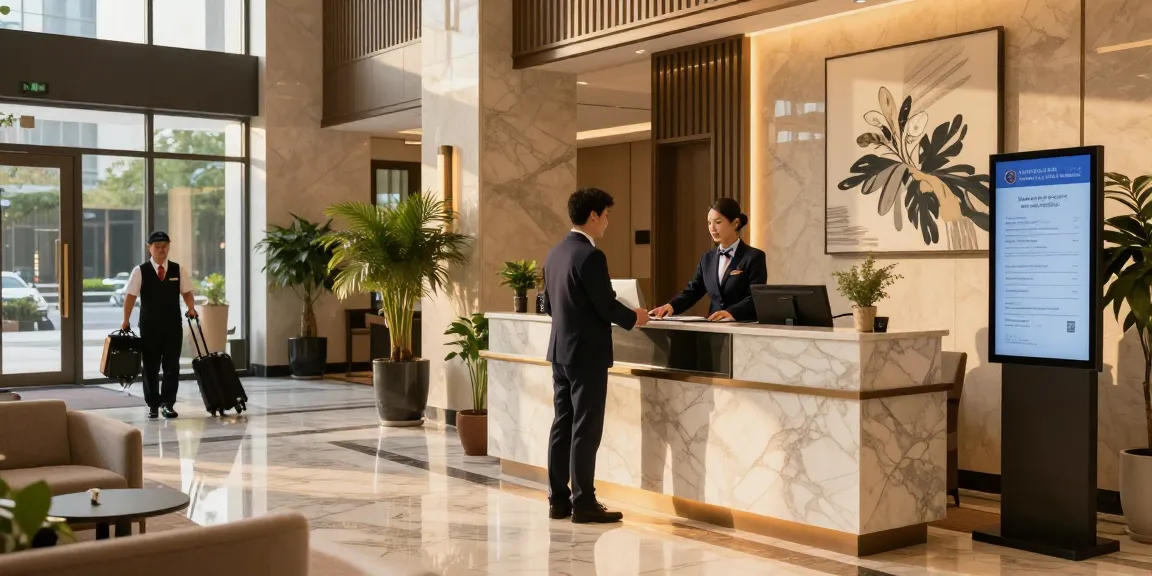
The integration of technology in hospitality is no longer optional; it is essential. From mobile check-ins to AI-powered personalization, hotels are leveraging technology to enhance the guest experience. For instance, contactless payment systems and digital room keys not only streamline check-in processes but also cater to health and safety considerations that have become paramount post-pandemic. Additionally, AI chatbots are increasingly deployed to handle guest inquiries in real-time, ensuring that guests receive immediate assistance whenever they need it.
- Virtual Reality Tours: Hotels are utilizing virtual reality to offer potential guests immersive tours of their properties, thus influencing booking decisions.
- Smart Room Features: Automation within rooms, such as adjusting lighting or temperature through a mobile app, enhances comfort and convenience.
- Data Analytics: By analyzing data from guest preferences and behaviors, hotels can tailor services and make informed decisions about their offerings.
Sustainability Practices in Hotel Operations
As environmental consciousness increases among travelers, sustainability has become a critical factor in hotel management. Hotels are adopting eco-friendly practices that not only reduce their carbon footprint but also attract environmentally-conscious guests. From reducing energy consumption through efficient appliances to implementing recycling programs, hotels are taking significant steps towards sustainability.
- Reducing Single-Use Plastics: Many hotels have started to eliminate single-use plastics in favor of biodegradable or reusable alternatives.
- Energy Efficiency: Installing solar panels and using energy-efficient technologies can significantly lower operational costs while appealing to green-minded guests.
- Local Sourcing: Offering locally-sourced meals not only supports the community but also eliminates transportation emissions.
Changing Guest Expectations in Luxury Travel
Luxury travel is evolving, with guests increasingly seeking personalized experiences rather than opulence. Today's affluent travelers prefer unique, authentic experiences tailored to their interests. This shift in expectation challenges hotels to innovate beyond traditional luxury offerings.
- Experiential Travel: Luxury hotels must curate experiences that connect guests to the local culture, such as guided tours, cooking classes, or wellness retreats.
- Wellness Integration: Offering comprehensive wellness programs, including spa treatments, fitness classes, and healthy dining options can significantly enhance the guest experience.
- Personal Concierge Services: Providing personalized services, such as dedicated concierges who can arrange tailored experiences, is increasingly becoming a hallmark of luxury travel.
Marketing Strategies for Hotels: Leveraging Digital Trends
In an age dominated by digital interactions, hotels must refine their marketing strategies to engage potential guests effectively. Utilizing data-driven marketing techniques allows hotels to maximize their reach and enhance engagement.
SEO Best Practices for Hotel Websites
Search engine optimization (SEO) is crucial for hotel websites aiming to improve visibility and attract more bookings. By optimizing content with relevant keywords, meta tags, and high-quality images, hotels can significantly enhance their online presence.
- Local SEO: Focusing on local SEO by incorporating location-based keywords can help attract nearby travelers looking for accommodation.
- Content Marketing: Creating blog posts about local attractions, events, or travel tips can position the hotel as an authority and improve organic search rankings.
- User-Friendly Design: Ensuring that the website is mobile-responsive and easy to navigate enhances user experience, thereby increasing conversion rates.
Utilizing Social Media to Engage Target Audiences
Social media platforms are invaluable tools for hotels to reach and engage with potential guests. By showcasing their unique offerings and fostering a community online, hotels can increase brand loyalty and awareness.
- Engagement Tactics: Posting regularly, with a mix of promotional content and engaging storytelling, can help hotels capture the attention of their audience.
- User-Generated Content: Encouraging guests to share their experiences on social media and tagging the hotel can enhance visibility and credibility.
- Influencer Collaborations: Partnering with travel influencers can expand a hotel’s reach and attract a diverse audience.
Personalized Marketing Techniques for Enhanced Bookings
To stand out in a competitive market, hotels should adopt personalized marketing strategies that cater to individual preferences. Utilizing data from previous stays or inquiries can help hotels tailor their offers precisely to what guests desire.
- Email Campaigns: Sending personalized emails with special offers based on past behavior can encourage repeat bookings.
- Customized Packages: Creating packages that include activities or amenities aligned with guest interests can entice bookings.
- Feedback Loops: Implementing systems for collecting feedback on guest preferences can help refine marketing approaches and enhance guest satisfaction.
Designing for Tomorrow: Architectural Trends in Hotels
As hotels plan their designs for the future, architectural trends are shifting towards creating spaces that foster connectivity and promote sustainability. A hotel's design can significantly influence not only the guest experience but also its operational efficiency.
Incorporating Biophilic Design Elements
Biophilic design focuses on integrating nature into architecture, promoting well-being and relaxation. This trend resonates with guests, enhancing their overall experience while demonstrating a commitment to sustainability.
- Natural Light: Designing with ample windows and natural light can improve the ambiance and reduce the need for artificial lighting.
- Indoor Gardens: Incorporating indoor plants and green spaces can enhance air quality and promote relaxation.
- Natural Materials: Using wood, stone, and other natural materials in design can create a sense of connection to the environment.
Flexible Spaces for Multi-Purpose Use
Modern travelers seek flexibility, and hotels are responding by designing adaptable spaces that can serve multiple functions. This versatility allows hotels to maximize their areas and cater to diverse guest needs.
- Multi-Use Lounges: Creating lounges that can host events, serve as co-working spaces, or offer relaxation areas can attract a broader audience.
- Modular Furniture: Utilizing modular furniture allows for easy reconfiguration of spaces to accommodate different functions and gatherings.
- Outdoor Spaces: Designing versatile outdoor areas that can host events, dining, or leisure activities can enhance guest experiences.
Smart Room Features: Innovating Guest Comfort
Smart technology in guest rooms is becoming a standard expectation rather than a luxury. By integrating smart features that prioritize guest comfort and convenience, hotels can enhance their appeal significantly.
- Voice-Controlled Devices: Integrating voice-activated technology for controlling room settings helps streamline guest interactions.
- Personalized Climate Control: Allowing guests to control room temperature and lighting through smart devices caters to individual preferences.
- Smart Entertainment Systems: Providing access to streaming services and personalized entertainment options can enhance the in-room experience.
Operational Excellence: Training and Staff Development
For hotels to maintain high standards of service, ongoing staff training and development are imperative. A knowledgeable and motivated staff can significantly enhance the guest experience and operational efficiency.
Effective Training Programs for Hospitality Staff
Implementing structured training programs that focus on both hard and soft skills is essential for empowering hotel staff. Programs should be tailored to meet the specific needs of the property and the diverse guests it serves.
- Customer Service Training: Enhancing soft skills such as communication and problem-solving helps staff manage guest interactions more effectively.
- Cultural Sensitivity Training: As hotels cater to international guests, training in cultural nuances can enhance guest relations and satisfaction.
- Technical Skills Training: Ensuring staff are proficient in using hotel management software or booking systems is crucial for operational success.
Building a Culture of Service Excellence
Creating an organizational culture that prioritizes service excellence can lead to higher employee satisfaction and retention. This culture should be embedded in the hotel's values and practices.
- Recognition Programs: Implementing recognition programs for outstanding service can motivate staff and reinforce a culture of excellence.
- Open Communication Channels: Encouraging feedback from staff regarding operations can foster an inclusive atmosphere and encourage proactive service improvements.
- Incentive Structures: Providing incentives tied to performance metrics can drive staff engagement and enhance service delivery.
Measuring Employee Satisfaction and Retention
Regularly measuring employee satisfaction is crucial for identifying areas of improvement within the hotel. High turnover rates can disrupt operations and affect guest experiences.
- Surveys and Feedback: Implementing regular surveys to gather employee feedback can highlight dissatisfaction areas and guide improvements.
- Retention Strategies: Developing clear career progression paths and professional development opportunities can help retain top talent.
- Work-Life Balance Initiatives: Promoting a healthy work-life balance can enhance employee satisfaction and reduce burnout.
Understanding Customer Behavior: Research Insights
Understanding customer behavior is pivotal in shaping the strategies hotels employ. Insights drawn from market research can guide decisions that align with guest expectations and industry trends.
Analyzing Travel Trends Post-COVID
The pandemic has reshaped travel behaviors, leading to a demand for safety, flexibility, and unique travel experiences. Analyzing these trends helps hotels to innovate their offerings effectively.
- Increased Demand for Flexibility: Offering flexible booking and cancellation policies has become essential as travelers seek assurance in uncertain times.
- Preference for Domestic Travel: Many travelers are now opting for local destinations, prompting hotels to market themselves to nearby customers.
- Health-Conscious Travel: Enhanced hygiene standards and clear communication on health practices are now expected by guests.
Impact of Online Reviews on Booking Decisions
Online reviews significantly influence potential guests’ booking decisions. Hotels must proactively manage their online reputation to attract guests and encourage positive feedback.
- Encouraging Reviews: Actively inviting satisfied guests to leave reviews can help build a positive online presence.
- Responding to Feedback: Promptly responding to both positive and negative reviews demonstrates engagement and commitment to guest satisfaction.
- Utilizing Feedback for Improvement: Analyzing feedback can provide insight into operational improvements and service enhancements.
Future Predictions for Hotel Guest Demographics
Demographic shifts are reshaping the hospitality landscape. Understanding the characteristics and preferences of future travelers can help hotels tailor their offerings and marketing strategies.
- Rise of Millennial and Gen Z Travelers: Younger generations prioritize authenticity, sustainability, and experiences over material luxury.
- Aging Populations: With an increasing number of older adults traveling, hotels must cater to their specific needs, such as accessibility and comfort.
- Diverse Family Structures: Hotels should consider offering versatile accommodations that can cater to diverse family needs and group sizes.
Conclusion
As we move towards 2026, the hospitality industry is set to embrace several transformative trends. From integrating innovative technology into the guest experience to understanding and adapting to evolving customer expectations, hotels must be proactive in their strategies. Emphasizing sustainability, personalized marketing tactics, and operational excellence will be key drivers for success in the competitive landscape ahead. By prioritizing these elements, hotels can forge deeper connections with their guests and set the stage for a thriving future.