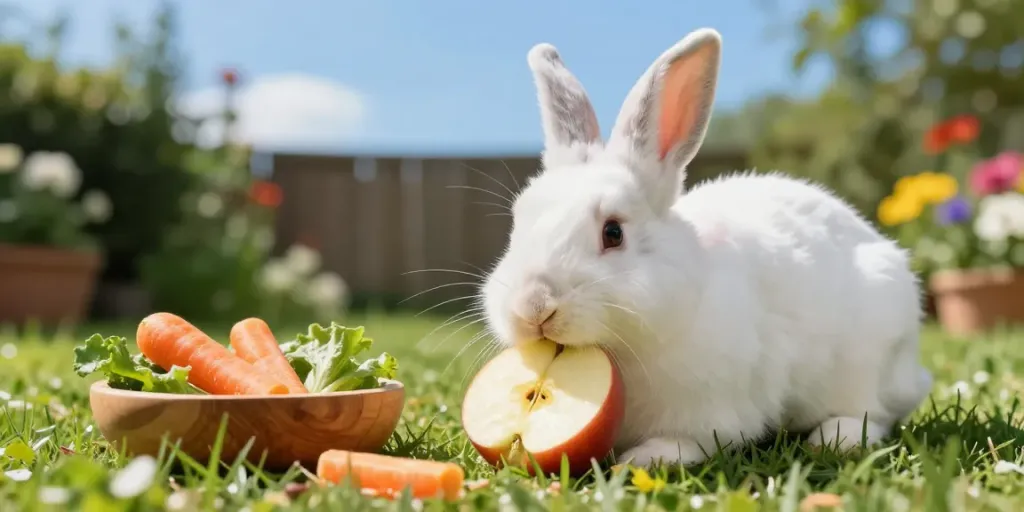
Understanding Rabbit Nutrition and Treats
Pet rabbits have unique dietary needs that require a careful balance of nutrients to maintain their health and happiness. As herbivores, their primary diet should consist of high-fiber hay, supplemented occasionally by fresh greens and select fruits. When it comes to treats, understanding what constitutes a healthy option is crucial for rabbit owners. For instance, if you're pondering over whether can rabbits eat apples, it’s essential to consider the nutritional implications of introducing fruits into their diets.
Why a Balanced Diet is Essential for Rabbits
A balanced diet is vital for rabbits to ensure they receive the necessary nutrients for healthy growth, dental health, and digestion. Their digestive systems are designed to process high amounts of fiber, which is found in hay and grasses. Insufficient fiber can lead to severe digestive problems, including gastrointestinal stasis, a life-threatening condition.
Role of Treats in a Rabbit’s Diet
Treats can play a role in enhancing a rabbit's diet, providing variety and enjoyment. However, they should be offered in moderation. Fruits like apples can be appealing due to their sweetness, but they should only be given sparingly and not replace hay or essential nutrients.
Common Misconceptions About Fruits in Rabbit Diets
Many rabbit owners believe that fruits can be freely offered like hay. This misconception can lead to overfeeding, as fruits contain high levels of sugar and low fiber, which are unsuitable for a rabbit's digestive health. Educating oneself about what constitutes a healthy treat is crucial for responsible pet ownership.
Can Rabbits Eat Apples? What You Must Know
Rabbits can indeed eat apples, but it’s important to understand how to do so safely. Apples should be viewed as a treat rather than a staple in their diet. The nutritional content of apples includes natural sugars, and while they can provide some hydration, they lack the fiber necessary for a rabbit's digestive system.
Apple Nutritional Content and Rabbit Needs
Apples are rich in sugars and provide limited nutrients compared to hay. A rabbit's diet should be primarily comprised of hay, with fruits serving merely as an occasional treat. While apples provide hydration and some vitamins, the high sugar content can lead to issues if fed too frequently.
Why Apples Are a Treat, Not a Staple Food
Despite their delicious flavor, apples should not be considered a staple food. They contain a high sugar content, which can upset digestive health if rabbits consume them in large quantities. Thus, apples should be treated as an occasional indulgence, ensuring the primary focus remains on high-fiber foods.
Potential Health Risks of Feeding Apples
There are several health risks associated with overfeeding apples to rabbits. Sugar overload can result in gastrointestinal upset, leading to conditions such as diarrhea and gas. Furthermore, apple seeds are toxic and should always be removed before feeding any part of the fruit to your rabbit.
Safe Preparation Methods for Feeding Apples to Rabbits
Proper preparation of apples is crucial to ensure your rabbit enjoys this treat safely. Always wash the apple thoroughly to remove pesticides or dirt. Following this, it is essential to remove the seeds, core, and stem to prevent any potential health risks.
Cleaning and Preparing Apples for Your Bunny
The first step in preparing apples for your rabbit is to wash them under running water. This step removes harmful chemicals and bacteria. Once cleaned, cut the apple into small pieces, ensuring that none of the seeds or core remain, as these are harmful to rabbits.
How to Serve Apples Safely to Rabbits
After preparation, only serve a tiny piece of apple flesh to your rabbit. Ideally, this should be no more than a quarter of a slice depending on the rabbit's size. Always monitor how your rabbit reacts to the treat, as some may have sensitivities to new foods.
Common Mistakes to Avoid When Feeding Apples
- Feeding large portions: Always opt for smaller pieces to avoid digestive issues.
- Ignoring seeds: Never forget to remove seeds, which are toxic to rabbits.
- Frequent feedings: Limit apple treats to once or twice a week to maintain a balanced diet.
Variations of Apples and Their Suitability for Rabbits
Different types of apples can be offered to rabbits, but caution should always be exercised regarding preparation and portion sizes. Whether green, red, or Granny Smith, the basic principles of feeding apply.
Green, Red, and Granny Smith Apples: Are They Safe?
Green, red, and Granny Smith apples are all safe for rabbits as long as they are properly prepared. Each variety may have a different sugar content, but all should only be offered in moderation as part of an overall healthy diet.
Comparing Fresh, Dried, and Processed Apple Forms
Fresh apples are the best choice for rabbits. Dried apples can be overly concentrated in sugars and should be avoided. Processed apple forms, such as applesauce or juice, often contain added sugars, which are not suitable for rabbits.
Understanding Portion Sizes for Different Rabbit Breeds
Portion sizes can vary depending on the size and breed of the rabbit. Smaller breeds may require even smaller portions to avoid digestive issues. A general guideline is to provide a piece about the size of your thumb nail for smaller rabbits.
Monitoring Your Rabbit After Feeding Apples
After introducing apples into your rabbit's diet, closely observe them for any signs of digestive distress. Monitoring their general behavior, appetite, and droppings can help you gauge how well they are tolerating this treat.
Signs of Digestive Distress in Rabbits
Common signs that your rabbit may be having trouble after eating apples include reduced appetite, smaller droppings, or more soft droppings than usual. If your rabbit exhibits any of these symptoms, it may be time to reconsider the amount of fruit they are consuming.
When to Seek Veterinary Advice
Should your rabbit stop eating entirely, or show signs of pain, lethargy, or distension, it is crucial to consult a veterinarian. GI stasis is a serious condition that requires prompt medical attention.
Encouraging Healthy Eating Habits in Your Rabbit
To foster healthy eating habits, prioritize high-fiber hay along with a variety of fresh greens. Introduce treats like apples gradually and always ensure that the majority of the diet remains nutritious and fiber-rich.
Can Baby Rabbits Eat Apples?
It is generally advised to avoid feeding apples and other fruits to baby rabbits. Their diets should focus primarily on hay and formulated pellets until they reach maturity, usually around six months of age. Once they are older, you can gradually introduce fruits while monitoring their reactions.
How Often Can Rabbits Enjoy Apples?
Rabbits should be limited to receiving apples as treats one to two times a week. This frequency allows for enjoyment without jeopardizing their health. The primary focus should be on maintaining a steady supply of hay and safe greens.
Long-term Effects of Fruit in Rabbit Diets
Long-term effects of regular fruit consumption can lead to obesity, dental issues, and gastrointestinal problems due to high sugar intake. Maintaining a balanced diet with minimal fruit is crucial for long-term health.
How to Introduce Treats Gradually
When introducing any new treat, including apples, always start small. Observe your rabbit's response to the treat and gradually increase the amount over time if no adverse reactions are observed.
FAQs about Feeding Apples to Rabbits
Several common questions arise regarding apples in a rabbit's diet, including:
- Can rabbits eat apples with skin? Yes, as long as it’s well washed.
- Can rabbits eat apple peels? Yes, but in moderation.
- Can rabbits eat apple cores? No, the core contains seeds and should be discarded.
- What about apple seeds? They are toxic and must be removed entirely.
- Can bunnies eat green apples? Yes, if appropriately prepared.