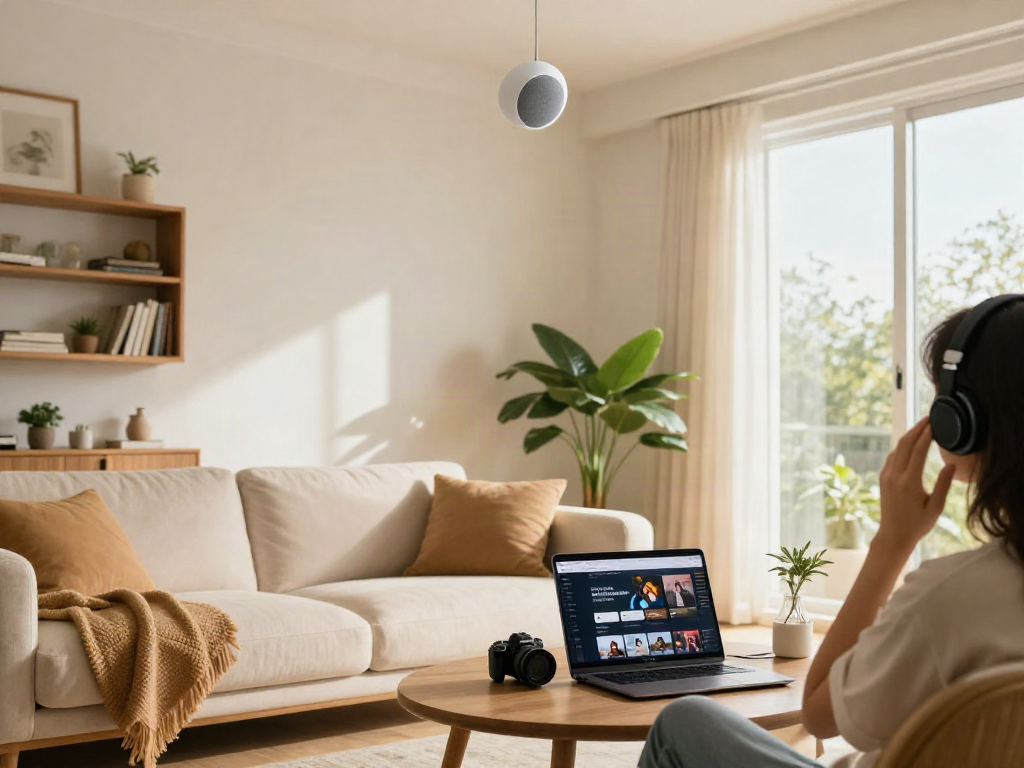
Overview of Ceiling Speakers: What You Need to Know
Ceiling speakers have emerged as a popular choice for modern audio installations, particularly in homes and commercial spaces. These speakers offer a unique solution for those seeking to enhance their sound experience without compromising on aesthetics. By being mounted in the ceiling, they provide a clean look while delivering high-quality sound. When exploring options, اسپیکر سقفی can provide comprehensive insights into the best products available today.
Understanding the Basics of اسپیکر سقفی
At their core, ceiling speakers, or اسپیکر سقفی, are designed to be discreet yet powerful. They are typically installed in a flush-mounted style, which means they sit level with the ceiling surface. This design not only saves space but also allows for sound to disperse evenly throughout the room. Ceiling speakers are suitable for various applications, including home theaters, background music systems, and commercial spaces.
Benefits of Using Ceiling Speakers in Your Home
- Space Efficiency: Ceiling speakers are an ideal solution for those with limited floor space.
- Design Integration: They blend seamlessly with your decor, making them less intrusive than traditional speakers.
- Improved Sound Distribution: Properly installed ceiling speakers can distribute sound evenly across larger spaces.
- Reduced Clutter: By eliminating the need for floor-standing speakers, your living space can remain clean and organized.
Common Misconceptions About Ceiling Speakers
Many people assume that ceiling speakers are inferior in sound quality compared to traditional floor speakers. However, advancements in technology have led to the development of high-performance ceiling speakers that can rival, and in some cases, exceed the audio quality of conventional speakers. Another common belief is that installation is overly complicated, yet with the right tools and guidance, anyone can successfully install them.
How to Choose the Right Ceiling Speaker for Your Needs
Key Features to Look for in اسپیکر سقفی
When selecting ceiling speakers, consider the following features:
- Sound Quality: Look for speakers with a wide frequency response and good power handling capabilities.
- Design: Opt for models that blend with your ceiling, preferably those that come with paintable grilles.
- Installation Ease: Some models come with quick-connect wiring for easier installation.
- Brand Reputation: Choose brands known for their reliability and sound performance.
Deciding Between Wired and Wireless Options
Wired ceiling speakers generally provide better sound quality and reliability than wireless options. However, wireless ceiling speakers offer the advantage of easier installation, especially in pre-existing structures where running wires may be challenging. Evaluate your installation environment and sound quality needs before making a decision.
Top Brands and Models in 2026
As of 2026, some top brands that dominate the ceiling speaker market include:
- Klipsch: Known for their high-quality sound and durable construction.
- Sonos: Popular for their wireless solutions that integrate seamlessly within smart home ecosystems.
- Polk Audio: Offers excellent value and sound quality for a range of budgets.
- Bose: Renowned for their premium audio solutions and innovative designs.
Installation Tips for Ceiling Speakers: A Step-by-Step Guide
Pre-Installation Considerations and Tools Needed
Before starting the installation, gather the necessary tools such as a stud finder, drill, wire cutters, and a level. Additionally, consider the location of the speakers carefully to ensure optimal sound distribution and accessibility. Mark the installation points on the ceiling before cutting any holes.
Safe and Effective Installation Techniques
Follow these steps for a safe and effective installation:
- Turn off the power to the area where you will be working.
- Use a stud finder to locate joists and avoid cutting into them.
- Cut holes in the ceiling using the template provided with your speakers.
- Run speaker wire through the ceiling if you are using wired speakers.
- Secure the speakers into the ceiling cutouts as per the manufacturer’s instructions.
- Connect the wires and restore power to test sound quality.
Common Mistakes to Avoid When Installing
Some common pitfalls to avoid include:
- Not checking for obstacles in the ceiling (like wiring or pipes) before cutting.
- Installing speakers too close together, which can result in poor sound distribution.
- Overlooking the importance of speaker placement relative to the listener's position.
Maximizing Sound Quality with Ceiling Speakers
Optimal Placement Strategies for Best Sound
The placement of ceiling speakers is crucial for achieving the best sound quality. Ideally, they should be positioned about 1 to 1.5 feet away from the walls and spaced evenly throughout the room. For larger spaces, consider using multiple pairs of speakers to enhance sound coverage.
Tuning and Calibration for Enhanced Performance
After installation, it's vital to tune your ceiling speakers. Use an audio calibration microphone if available, or manually adjust the settings on your audio receiver to ensure balanced sound across all frequencies. This step can significantly improve your listening experience.
Integrating Ceiling Speakers with Home Automation Systems
Integrating your ceiling speakers with home automation systems can elevate your audio experience. Many modern systems allow for multi-room audio, enabling you to control music playback throughout your home effortlessly. Ensure that your selected ceiling speakers are compatible with your automation system for seamless functionality.
The Future of Ceiling Speakers: Trends and Innovations
Emerging Technologies in Audio Systems for 2026
The future of audio technology is bright, with innovations in sound processing, wireless connectivity, and energy efficiency. Emerging trends include the use of artificial intelligence for sound optimization and improvements in wireless technology that reduce latency and enhance sound quality.
Design Trends: Aesthetic and Functional Considerations
In 2026, design trends for ceiling speakers are focusing on minimalism and unobtrusiveness. Brands are developing speakers with elegant designs and customizable options to ensure they blend in seamlessly with varying interior styles.
Consumer Preferences and Market Insights
Market research indicates a growing preference for eco-friendly and energy-efficient products. Consumers are increasingly looking for speakers that not only sound great but are also made from sustainable materials. This trend will likely influence product development in the coming years.
What is the best placement for ceiling speakers?
The best placement for ceiling speakers depends on the room's layout. Ideally, they should be spaced evenly and positioned for optimal sound coverage, aiming for about 1 to 1.5 feet from walls.
How do ceiling speakers compare to traditional speakers?
Ceiling speakers offer a more discreet installation and can provide excellent sound quality. However, traditional speakers often have larger drivers and can produce lower frequencies better, making them suitable for dedicated audio setups.
What are the maintenance tips for ceiling speakers?
To maintain your ceiling speakers, periodically check for dust accumulation on the grilles, ensure that the connections are secure, and avoid exposing them to moisture. Regularly testing their sound quality can also help identify any issues early on.
Can ceiling speakers be used in outdoor settings?
While it is possible to use ceiling speakers outdoors, they must be specifically designed for outdoor use. Look for weather-resistant models that can withstand environmental elements.
What advancements in ceiling speaker technology can we expect?
Future advancements may include enhanced wireless capabilities, better integration with smart home systems, and improvements in sound processing technologies that allow for more personalized listening experiences.