
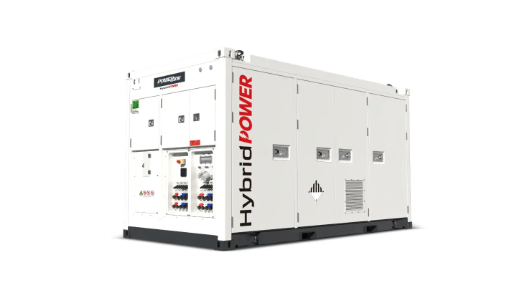
As global energy demands continue to rise, battery storage technology is becoming an increasingly important part of modern energy infrastructure. Businesses, industries, and utilities are looking for more efficient ways to manage electricity while supporting the growing adoption of renewable energy sources. This shift is driving innovation in energy storage systems that can improve reliability, flexibility, and overall energy performance.
Battery storage solutions are no longer viewed as supporting technologies. They are becoming essential components of modern gas generator strategies, helping organizations store energy, balance demand, and maintain a stable power supply in a rapidly evolving energy landscape.
The Growing Importance of Battery Storage Technology
Traditional energy systems are designed to generate electricity as it is consumed. However, modern energy requirements often involve fluctuating demand patterns and the increasing use of renewable energy sources such as solar and wind power.
Battery storage technology helps address these challenges by storing excess energy and delivering it when needed. This capability allows organizations to improve energy management while supporting greater operational stability. As energy systems become more complex, battery storage is expected to play an even larger role in future power networks.
Benefits of Advanced Battery Storage Systems
Modern battery technologies offer several advantages for businesses and industrial operations.
Improved Energy Reliability
Stored electricity can be used during periods of high demand or temporary power interruptions, helping maintain continuous operations.
Enhanced Energy Efficiency
Battery systems help organizations make better use of available energy resources by reducing waste and optimizing consumption.
Support for Renewable Energy Integration
Energy storage allows businesses to capture renewable energy and use it when production levels fluctuate.
Greater Operational Flexibility
Battery solutions can be adapted to support a wide range of commercial and industrial energy requirements.
Battery storage systems are commonly used in:
• Renewable energy projects
• Manufacturing facilities
• Commercial buildings
• Data centers
• Telecommunications infrastructure
• Remote industrial sites
These applications demonstrate the growing importance of energy storage within modern Power Generation environments.
Choosing the Right Energy Storage Strategy
Selecting a battery storage solution requires careful evaluation of energy demand, storage capacity, operational objectives, and future expansion plans. Organizations should consider how energy storage can complement existing infrastructure while supporting long-term efficiency and reliability goals.
For businesses exploring advanced energy technologies, Power Generation offers battery storage solutions designed for commercial and industrial applications. These systems can also operate alongside other technologies, including a gas generator, helping organizations create more flexible and resilient energy strategies.
Conclusion
As the energy industry continues to evolve, battery storage technology is expected to become a cornerstone of future energy systems. Its ability to improve efficiency, enhance reliability, and support renewable energy integration makes it a valuable investment for organizations across multiple sectors.
Whether combined with renewable resources, hybrid systems, or a gas generator, battery storage solutions are helping shape the future of Power Generation. As innovation continues to advance, energy storage will remain a key driver of sustainable and reliable energy development.