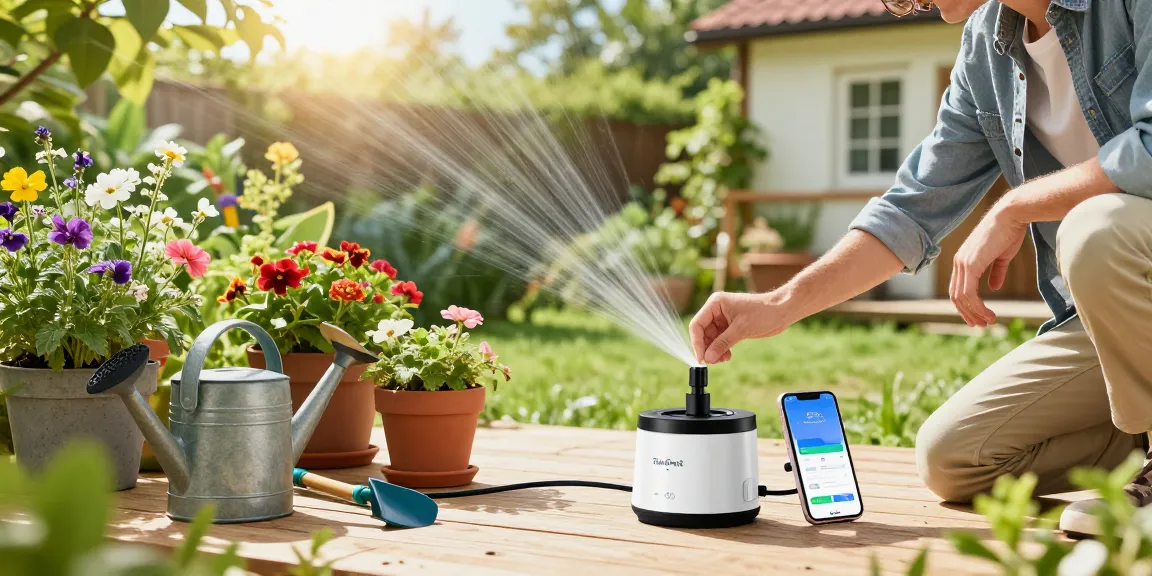
When Claire noticed soggy patches on her suburban lawn every spring, she blamed the rainy season—until her azaleas began yellowing and her vegetable seedlings drowned in their raised beds. After checking soil moisture she realized the sprinkler was running every morning for 20 minutes, no matter the weather. With a few adjustments and a smart timer, Claire saved her plants and cut water waste.
Recognize the signs: how to know you're overwatering
Overwatering is easy to miss because the lawn still looks green—at first. Look for these clear signs before you overhaul your system:
- Standing water or soggy spots after irrigation or rain.
- Yellowing leaves, especially on lower stems of shrubs and perennials.
- Fungal problems: mold, mildew, or mushrooms appearing in beds.
- Roots that are shallow or rotting when you dig a few inches down.
- Soil that feels waterlogged rather than crumbly—moisture lingering 24+ hours post-watering.
Example: A homeowner in Phoenix noticed consistent runoff from their front lawn slope—each 10-minute watering cycle produced visible run-off into the gutter. That’s a classic case of oversupply and poor distribution.
Problem → solution: Identifying overwatering helps choose the right fix. Shallow roots call for less frequent but deeper watering, while runoff suggests shorter cycles or lower flow heads. A WiFi timer such as the RainPoint model lets you program cycles and check soil feedback remotely, tackling many of these issues automatically.
Fix the schedule: set timers by soil, season, and plant type (250–400 words)
One common cause of overwatering is a fixed schedule that doesn’t adapt to temperature, rainfall, or plant needs. Smart timers let you tailor run length and frequency to the real conditions and types of plants you have.
Steps to set a water-wise schedule
- Classify zones: separate lawn, flower beds, vegetable beds, and containers into distinct zones.
- Know root depth: lawns need shallow, frequent root watering early on, then deeper less often; shrubs/trees require deeper, less frequent soaking.
- Program run times: set shorter, more frequent cycles for compacted clay (to avoid runoff) and longer, deeper cycles for well-draining loam.
- Enable weather sensitivity: use a smart timer’s weather or soil moisture integration to skip cycles after rain or on cool days.
Example: For a 1,500 sq ft cool-season lawn in Seattle, a good starting schedule is three times a week, 12–15 minutes per zone, but a smart controller will reduce cycles after several cool, wet days.
Problem → solution: If your lawn is watered daily for short bursts, roots stay shallow and plants need more water. Reprogramming to fewer, longer cycles helps roots deepen. For precise control and remote changes, consider a controller with soil sensor compatibility—learn how to fix overwatering issues with a smart irrigation timer to avoid manual guesswork.
Match the hardware: choose the right heads, hoses, and sensors
Sometimes the timer is fine, but the delivery method is wrong. Matching emitters and hoses to the plant type is key.
Recommended pairings (scenario irrigation expert tips)
- Small lawn or renters: mobile sprinkler kits and a simple WiFi timer are quick to adjust and remove.
- Large lawn: in-ground sprinklers with a multi-zone smart controller provide even coverage and easy seasonal programming.
- Vegetable garden: drip irrigation lines and pressure-compensating emitters deliver low-volume, targeted water to roots.
- Flower beds: soaker hoses or low-flow drip to keep moisture at the root zone without wetting foliage.
- Potted plants: slow self-watering systems or reservoir-based drippers to prevent frequent hand-watering mistakes.
Example: A homeowner with raised beds in Denver swapped a spray hose that soaked foliage for 1/4" drip tubing with 1 GPH emitters. Plant losses dropped and their next water bill was noticeably lower.
Problem → solution: If runoff is happening on slopes, switch from full-throw spray heads to rotary nozzles or drip systems with multiple short cycles (cycle-and-soak). For centralized control of mixed setups, a WiFi timer from RainPoint can handle separate zone runtimes so each plant type gets exactly what it needs.
Use sensors and smart features: reduce human error and react to real conditions
Smart irrigation controllers shine because they react: weather forecasts, soil moisture readings, and flow monitoring can prevent excess watering automatically.
Key integrations to prevent overwatering
- Rain/freeze sensors: stop scheduled events when rain or freezing temps are detected.
- Soil moisture sensors: measure real moisture at root depth and skip cycles when sufficient.
- Flow sensors: detect leaks or stuck valves that could continuously run and cause flooding.
Example: According to EPA WaterSense, smart irrigation controllers can save up to 30% on outdoor water use compared with conventional controllers. University extension services often recommend soil sensors for vegetable beds—one extension estimated savings of several thousand gallons per season for a mid-sized home garden.
Problem → solution: If you can’t be home to monitor rain or sudden hot snaps, sensors and a smart timer take over. They reduce waste by skipping or shortening cycles when conditions don’t call for watering.
IssueSmart FeatureImmediate ActionStanding water/runoffCycle-and-soak programmingSplit runs into shorter intervals with soak time betweenYellowing plantsSoil moisture sensorSkip scheduled run until sensor reads adequate moistureConstant valve runFlow sensor and alertsShut zone and inspect for leaks immediately
Practical troubleshooting and maintenance routines
Fixing overwatering isn’t a one-time tweak; it’s ongoing care. Establish a simple routine and test specific parts of the system seasonally.
Monthly checklist
- Check soil moisture 2–3 inches below surface in each zone after a cycle.
- Inspect heads and emitters for clogs or broken nozzles—replace or clean as needed.
- Review controller logs: look for skipped cycles, rain events, or unusual run times.
- Test sensors: compare sensor readings to a handheld moisture meter to ensure accuracy.
Example: In North Carolina, a homeowner skews toward automatic schedules but noticed drip lines were releasing less than expected. A monthly emitter flush and a quick pressure check restored proper flow and prevented overcompensating by increasing run time.
Problem → solution: If maintenance reveals clogged emitters, extra run time only wastes water. Regular checks paired with a smart timer’s reporting will keep the system honest and efficient.
For homeowners wanting direct product matches to their problem, remember that the right timer plus compatible sensors and heads is the full fix—not just the controller alone. To explore sensor and timer combos that help you fix overwatering issues with a smart irrigation timer, check product options that support multi-zone programming and soil feedback.
When you need a single controller that handles diverse zones—from rotary sprinkler heads on your turf to delicate drip lines in the vegetable patch—a well-chosen WiFi timer from RainPoint can be the central tool that prevents overwatering and simplifies seasonal adjustments.
EPA WaterSensereports significant water savings from smart controllers, reinforcing that the right combination of schedule, hardware, and sensors is an effective path to healthier plants and lower water bills.