
Understanding Dental Care: Your Essential Guide
Dental care is a vital aspect of maintaining overall health and well-being. A healthy smile contributes not only to self-esteem but also to general health, making it essential to understand the various components of dental care. From regular visits to the dentist to the latest advancements in dental technology, mastering your dental health is easier than ever. With platforms like Dentee, you can discover more here about how to find the best dental professionals in your area. Whether you’re dealing with a toothache or simply seeking a check-up, understanding your options can lead to effective and timely treatment.
What to Expect During Your First Dental Visit?
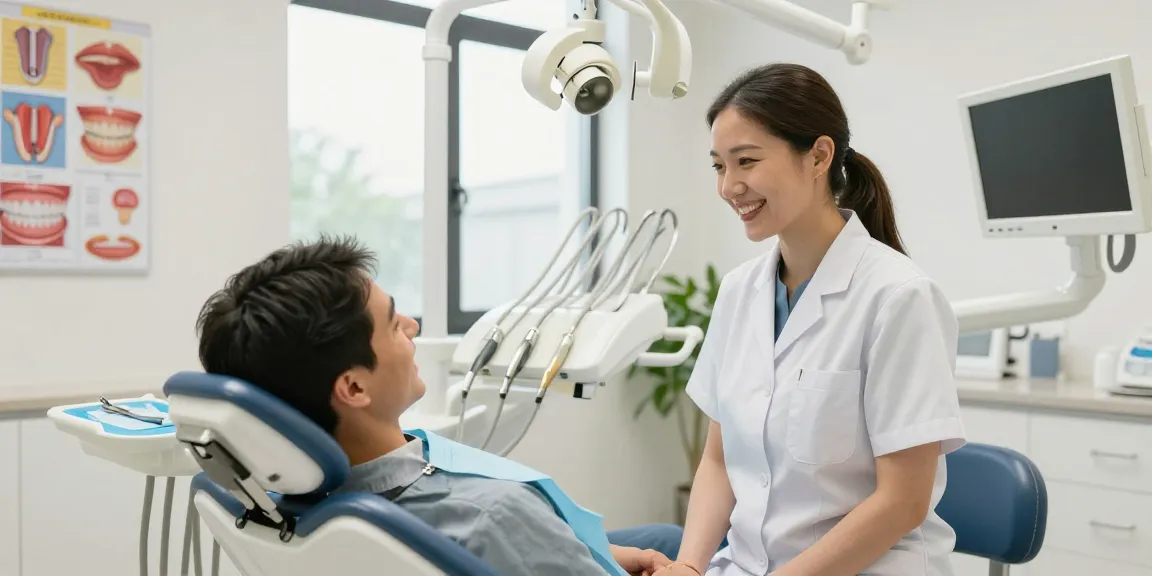
Your first visit to the dentist can be both exciting and nerve-wracking. It usually starts with filling out a health history form. This includes sharing information about any previous dental work, allergies, or medical conditions. After that, a dental hygienist will typically perform a cleaning, which may involve scaling and polishing your teeth. The dentist will then conduct a thorough examination using tools to assess dental health, looking for cavities, gum disease, and other potential issues, often complemented by X-rays.
Common Dental Procedures Explained
Understanding common dental procedures can alleviate anxiety and help you make informed decisions. Here are a few of the most frequent procedures:
- Fillings: Used to treat cavities, fillings restore the function and integrity of the tooth.
- Root Canals: This procedure is necessary when the pulp of the tooth becomes infected, requiring the removal of the infected tissue.
- Crown Placement: Crowns are placed over damaged teeth to restore their shape, size, and function.
- Extractions: Sometimes necessary when a tooth is too damaged to save, extractions may be performed under local anesthesia.
Booking Your Appointment: Simplified
In today’s fast-paced world, booking a dental appointment should be quick and straightforward. Digital platforms like Dentee allow patients to book appointments with ease and convenience. Steps to follow include selecting your preferred dentist, choosing an available time slot, and confirming your appointment—all from the comfort of your home.
Step-by-Step Guide to Online Booking
To book your appointment online, follow these simple steps:
- Visit the dental booking website.
- Search for dentists based on your location and preferred specialty.
- Select an available time slot that suits you.
- Confirm your appointment details and submit.
Best Practices for Preparing for Your Appointment
Preparation is key to making the most out of your dental visit. Here are some tips:
- Brush and floss your teeth to ensure they are clean.
- List any medications you are currently taking.
- Prepare questions you may have about your dental health.
- Arrive early to complete any necessary paperwork.
Real-Time Availability: How It Works
Many modern dental practices now offer real-time appointment availability. This feature allows you to select times that fit your schedule without waiting for confirmation. You can see the dentist’s calendar and choose from available slots, making scheduling a breeze.
Importance of Regular Dental Check-Ups
Regular dental check-ups are crucial in preventing dental problems and maintaining oral health. Most dentists recommend visits every six months, but the frequency may vary based on individual needs.
How Often Should You Visit the Dentist?
While the general rule is to visit the dentist twice a year, factors such as personal dental health history and risk of dental diseases may necessitate more frequent visits. Regular check-ups help in early detection and treatment of problems.
Preventive Care: Benefits Beyond Aesthetics
Preventive dental care goes beyond just maintaining a beautiful smile. It helps to identify issues early before they become serious and more costly to treat. It also reduces the likelihood of pain and discomfort associated with untreated dental conditions.
Signs You Need to Schedule an Urgent Visit
If you experience any of the following symptoms, it’s important to seek immediate dental care:
- Severe tooth pain or sensitivity
- Swelling around the gums
- Bleeding gums
- Persistent bad breath
Innovations in Dental Technology
The field of dentistry is evolving rapidly with advancements in technology that enhance patient care and experience. Staying informed about these innovations can provide insight into what to expect in modern dental practices.
Latest Tools and Techniques in Dentistry
Innovations such as 3D imaging, laser dentistry, and digital impressions have transformed how dental procedures are conducted. These technologies increase precision, reduce discomfort, and improve outcomes for patients.
The Role of Tele-dentistry in Modern Practice
Tele-dentistry has emerged as a valuable tool, allowing patients to consult with dental professionals via video conferencing. This accessibility is particularly beneficial for those in remote areas or those who have difficulty accessing dental offices.
Future Trends: What to Expect in 2026
As technology continues to evolve, we can expect further integration of artificial intelligence in diagnostics, improved patient management software, and potentially more home-based care solutions. These advancements aim to enhance the efficiency and effectiveness of dental practices, promising a more patient-centered approach.
Frequently Asked Questions about Dental Care
Many patients have questions about their dental care. Addressing these can help alleviate anxieties and promote better oral health.
How can I manage dental anxiety?
It’s common to feel anxious about visiting the dentist. Discuss your fears with your dentist, who can provide strategies such as sedation options or mindfulness techniques to make your visit more comfortable.
What should I do if I have a dental emergency?
In the event of a dental emergency, such as a knocked-out tooth or severe pain, contact your dentist immediately. They can provide guidance on how to manage the situation until you can be seen.
Are there payment plans available for dental services?
Many dental practices offer flexible payment plans to make services more accessible. Inquire about financing options when booking your appointment to avoid any surprises.
How to maintain oral hygiene between visits?
Daily brushing and flossing, along with using an antiseptic mouthwash, are crucial steps in maintaining oral hygiene. Regular self-examinations can help you notice any changes that need addressing at your next dental visit.
What are the signs of cavities and gum disease?
Cavities often present as tooth sensitivity, visible holes in teeth, or pain when eating. Gum disease may manifest as swollen, bleeding gums or persistent bad breath. If you notice these signs, schedule an appointment promptly.

